
Your Roadwork Traffic Plan Checklist for Melbourne Contractors
Managing roadworks in Melbourne requires more than just putting up a few signs and cones. With strict regulations, busy road networks and growing safety expectations, every contractor needs a clear and compliant strategy in place before starting work. That is where a well-prepared Traffic Management Plan becomes essential. Whether you are completing minor maintenance or undertaking major construction, a Traffic Management Plan outlines how traffic, pedestrians and workers will be protected throughout the project.
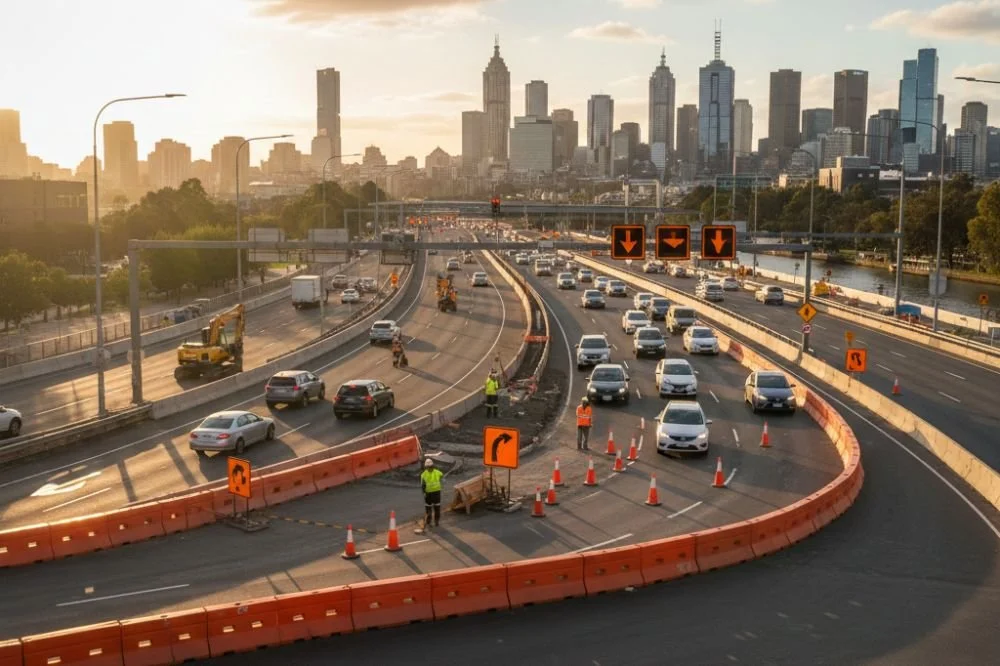
To help contractors stay prepared, this guide provides a complete roadwork traffic plan checklist tailored for Melbourne conditions. It focuses on what regulators look for, the practical steps you need to follow and what a reliable Traffic Management Plan Company can deliver to keep your project running smoothly.
Why a Traffic Management Plan Is Essential in Melbourne
Melbourne has some of the busiest roads in Australia. Councils, VicRoads and other governing authorities require a Traffic Management Plan for any works that disrupt the normal movement of vehicles or pedestrians. This applies to construction sites, maintenance tasks, utility works, events and anything involving lane closures or temporary redirections.
A strong Traffic Management Plan Melbourne contractors can rely on must ensure three things:
Safety for workers, pedestrians and motorists
Compliance with Australian Standards and state regulations
Efficiency in keeping roads operating with minimal delays or confusion
Without proper planning, contractors face costly delays, rejected permits, safety risks and potential legal issues.
Roadwork Traffic Plan Checklist for Melbourne Contractors
Below is a detailed checklist you can use before starting any work on or near roads.
Confirm the Scope of Works
Every plan must start by clearly defining what work will be done. List:
The location of the work site
The type of activity (construction, landscaping, utilities, resurfacing and more)
Whether machinery or oversized vehicles are involved
Expected start and finish dates
Accurate details help determine exactly what level of traffic management is required.
2. Assess the Road Environment
Understanding the surrounding road conditions is critical. Review:
Road classification (local road, arterial, highway)
Traffic speed limits
Pedestrian activity and crossing points
Public transport routes
Visibility around corners or bends
Access points for nearby properties
A thorough environmental assessment allows planners to design safe detours and control points that suit the area.
3. Conduct a Risk Assessment
A detailed risk assessment is a must for every Traffic Management Plan that Melbourne authorities expect. Identify:
Potential hazards for road users
Risks specific to workers, such as machinery movement
Time-of-day risks, such as peak-hour congestion
Weather or lighting issues
Once risks are identified, list the control measures to minimise or eliminate them. These may include barriers, traffic controllers, lane closures, signage or reduced speed limits
4. Determine Traffic Control Methods
Based on your risk assessment, outline the measures needed to manage traffic safely. This can include:
Stop slow bat signalling
Temporary traffic lights
Lane closures or merging lanes
Full road closures were necessary.
Clear pedestrian detours
Speed reduction zones
Each control method must comply with relevant standards, including AS 1742.3.
5. Prepare a Detailed Traffic Guidance Scheme
A Traffic Guidance Scheme (TGS) visually shows how traffic will be controlled around your work area. It must include:
Diagram of the work zone
Placement of cones, signs, bollards and barriers
Traffic controller positions, if required
Detour routes
Entry and exit points
Distances and spacing for every device
A TGS should be accurate to scale and easy for road authorities to interpret.
6. Create a Communication Plan
Clear communication prevents confusion and improves safety for all stakeholders. Identify:
Who is responsible for overseeing traffic control on-site
How changes will be communicated to workers
Contact details for site supervisors
How will updates be provided to authorities if conditions change
Good communication is especially important for long-term or complex projects.
7. Prepare an Emergency and Incident Response Plan
Melbourne contractors must show regulators they have prepared for unexpected events. Your plan should cover:
Procedures for crashes or near misses
How emergency vehicles will access the area
Steps for equipment failure
Response to bad weather or flooding
Evacuation procedures for workers
Authorities expect every Traffic Management Plan to detail how incidents will be managed quickly and safely.
8. Confirm Compliance with Regulations
Before submitting, ensure your plan meets all required standards, including:
VicRoads requirements
Local council guidelines
Work health and safety laws.
Australian Road Rules
Relevant Australian Standards
Submitting a non-compliant plan can lead to immediate rejection or costly delays
9. Submit Your Plan for Approval
OnPoint TGS specialises exclusively in preparing Traffic Management Plans (TMP) and Traffic Guidance Schemes (TGS), without providing on-site physical traffic management services. This focused approach delivers standalone plans that meet all regulatory needs, helping contractors avoid bundled services that inflate costs by thousands while speeding up approvals.
Most works in Melbourne require approval from a local council or VicRoads. Attach all documents, including:
Traffic Management Plan
Traffic Guidance Scheme
Risk assessment
Public liability certificates, if required
Communication plan
Allow enough time for review since authorities may request revisions.
10. Review and Adjust During the Project
Once work begins, monitor traffic conditions daily. Construction sites are dynamic, and changes may be needed. A strong Traffic Management Plan Company will usually offer free amendments or fast turnaround updates to ensure continued compliance.
Why Working with a Professional Traffic Management Planner Matters
Creating a Traffic Management Plan is detailed work, and mistakes can lead to safety risks or permit rejection. Partnering with a specialist means you get:
Expert risk assessments
Accurate TGS diagrams
A plan that meets all authority requirements
Faster approval times
Support if conditions change on site
OnPoint TGS promises a 4-hour turnaround time, which means you can get your TMP or TGS delivered within 4 business hours of confirmed payment. Their services stay affordable by focusing solely on plans, not physical implementation, saving companies thousands.
For Melbourne contractors dealing with busy roads, tight deadlines, or complex work zones, having an experienced planner can save time, money, and stress.
Roadwork traffic planning is not something contractors can afford to overlook. With increasing safety expectations and strict approval requirements, a well-structured Traffic Management Plan ensures your project runs smoothly and stays compliant from start to finish. If you need a reliable Traffic Management Plan that the Melbourne contractors trust, engaging a dedicated Traffic Management Plan Company like OnPoint TGS Planswill give you confidence that every detail is handled with accuracy, speed, and professionalism.
