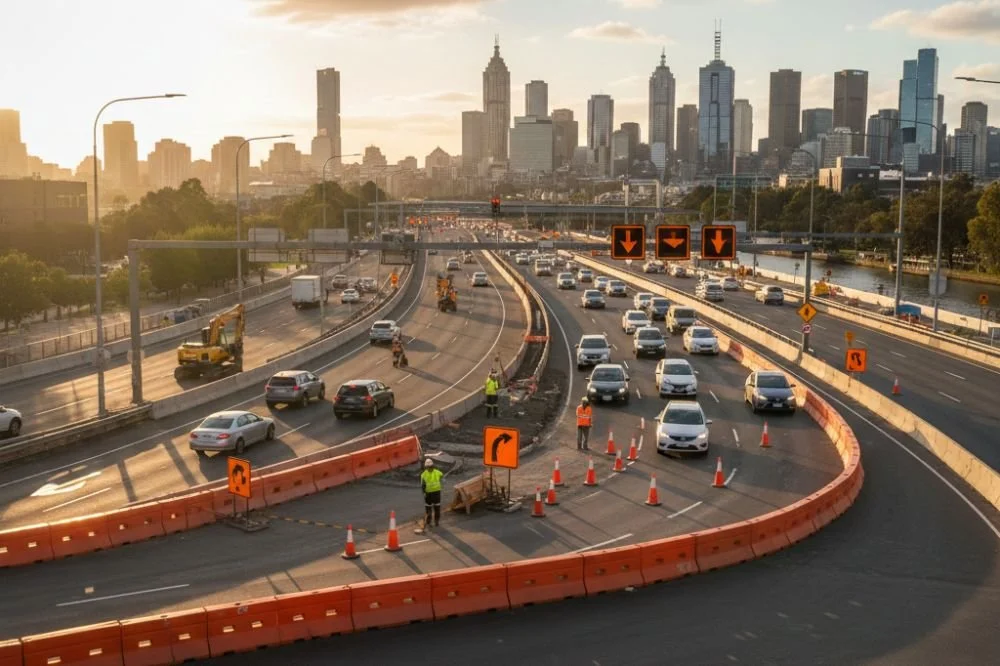
How to Keep Your Site Safe & Compliant: Traffic Management Plan

Managing vehicles, plant equipment, and pedestrian movement on a busy worksite is never simple. Whether you’re coordinating roadworks, construction activity or a high-traffic project area, one thing remains essential: a well-designed Traffic Management Plan (TMP).

For Melbourne-based construction managers, site supervisors, councils, and project planners, a TMP isn’t just a compliance formality, it’s a practical safety tool that protects workers, road users and the general public.

This guide breaks down why a professional Traffic Management Plan Melbourne projects rely on is crucial, what it should include, and how specialised plan-only services can save your company time, money and unnecessary complications.

Your Roadwork Traffic Plan Checklist for Melbourne Contractors

Why Traffic Management Planning Matters

Traffic around active worksites poses real risks. Without proper planning, even small oversights can lead to collisions, costly delays or project shutdowns.

Traffic management planning serves several essential purposes:

1. Ensures Safety

A TMP outlines how vehicles, machinery, and pedestrians interact. Clear instructions reduce the chances of accidents, especially in high-risk zones like intersections, narrow roads or locations with reduced visibility.

2. Meets State and Local Regulations

In Victoria, any work near roads must comply with strict standards, including the Austroads Guide to Temporary Traffic Management (AGTTM) and local council approvals. A compliant TMP reduces the chance of rejections and project delays.

3. Facilitates Smooth Traffic Flow

Construction activity shouldn’t bring traffic to a standstill. A professional plan helps maintain safe flow, minimising frustration for motorists and improving public relations with the community.

4. Supports Faster Approvals

When plans are drawn accurately and in line with current legislation, permit applications move faster. Councils and road authorities are far more likely to approve a well-structured TMP without back-and-forth revisions.

Key Elements of a Traffic Management Plan

A reliable Traffic Management Plan should be tailored to the specific site and project conditions. While every site is different, strong TMPs share several core components:

Site Assessment

This includes evaluating:

  • Road layouts

  • Speed zones

  • Peak traffic periods

  • Pedestrian activity

  • Nearby businesses, schools or residential areas

Understanding these factors early helps identify risks before work begins.

Traffic Guidance Schemes (TGS)

TGS drawings show exactly how traffic will be redirected. These diagrams illustrate:

  • Temporary signage

  • Barriers and bollards

  • Lane closures

  • Pedestrian detours

  • Speed reductions

High-quality diagrams are essential for communicating safety measures to teams, contractors, and approving authorities.

Roles & Responsibilities

Clear communication prevents confusion. The TMP should define who is responsible for:

  • Installing signs

  • Setting out road closures

  • Monitoring traffic hazards

  • Adjusting layouts as conditions change

Even though some providers only deliver the plans rather than onsite labour, these responsibilities must still be documented for the organisation implementing the work.

Risk Control Measures

Your TMP should outline strategies for managing hazards such as:

  • High-speed zones

  • Heavy plant movement

  • Night works

  • Reduced sight distances

  • Wet weather impacts

Emergency Access Strategy

Emergency vehicles must always have safe access. This section ensures there’s a clear path for ambulances, fire trucks and police at all times.

Why Speed Matters: Fast TGS Delivery for Time-Sensitive Projects

When a project shifts suddenly or road authority requirements change at the last minute, waiting days for updated plans can delay your entire schedule. Having access to a provider who delivers fast, accurate TGS documentation is a major advantage.

One key service benchmark to look for is a reliable 4-hour turnaround for Traffic Guidance Schemes. This rapid delivery allows teams to:

  • Respond quickly to new project demands

  • Avoid costly downtime

  • Submit urgent applications on the same day

  • Keep worksites active and compliant

Speed is important but only when it’s matched with precision. Experienced plan designers understand the balance between efficiency and accuracy, ensuring nothing is overlooked.

Specialised Plan-Only Providers: Why They’re More Cost-Effective

Many traffic management companies offer TMPs bundled together with onsite labour, equipment hire or traffic controllers. While bundled packages suit some organisations, they can significantly increase costs, even when you only need the plans.

Specialised plan-only services provide a more affordable alternative because they focus solely on producing Traffic Guidance Schemes and TMPs. This streamlined approach offers several benefits:

1. Lower Costs

Because the service is limited to design work, no onsite staff or equipment hire, the pricing is significantly more affordable. Companies often save thousands of dollars per project simply by avoiding bundled packages they don’t need.

2. Faster Turnaround

With no field operations to coordinate, plan-only experts can focus all their time on design work. This is how they consistently achieve same-day or 4-hour delivery times.

3. Higher Accuracy

Design specialists spend their entire day creating traffic plans. They stay up to date with AGTTM standards, council requirements, road authority expectations, and best-practice layouts.

This produces higher-quality documentation, helping your approvals move through the system without delays.

4. Flexible for Contractors & Councils

  • Plan-only services are especially useful for:

  • Civil contractors who already have traffic controllers

  • Builders who manage their own onsite signage

  • Councils reviewing plans before issuing permits

  • Project managers needing fast revisions or additions

  • You get exactly what you need and nothing you don’t.

How a Good TMP Reduces Delays and Disruptions

A thoughtfully prepared plan contributes to smoother project execution. Here’s how:

Improved Site Coordination

Your team knows where to set up signs, barriers and detours, reducing confusion during early setup.

Clear Instructions for Contractors

Whether your crew or a third-party traffic control company implements the plan, everyone works from the same detailed guidance.

Fewer Revisions

Accurate layouts help mitigate approval issues, meaning you spend less time waiting for council or VicRoads responses.

Safer Interactions Between Workers and Public

Good planning reduces congestion around entry points, pedestrian paths, parking areas and vehicle holding zones.

Conclusion

A professional and compliant Traffic Management Plan is one of the most important tools for keeping Melbourne worksites safe, efficient and legally approved. From clear TGS diagrams to risk analysis and fast turnaround times, the quality of your plan directly affects project timelines, costs and public safety.

Choosing a specialised plan-only provider ensures you get accurate, affordable and fast TMP documentation helping your team stay productive while avoiding unnecessary expenses.

For reliable, affordable and expert traffic management planning, including a consistent 4-hour turnaround on TGS designs, you can count on OnPoint TGS Plans.


Next
Next

Your Roadwork Traffic Plan Checklist for Melbourne Contractors